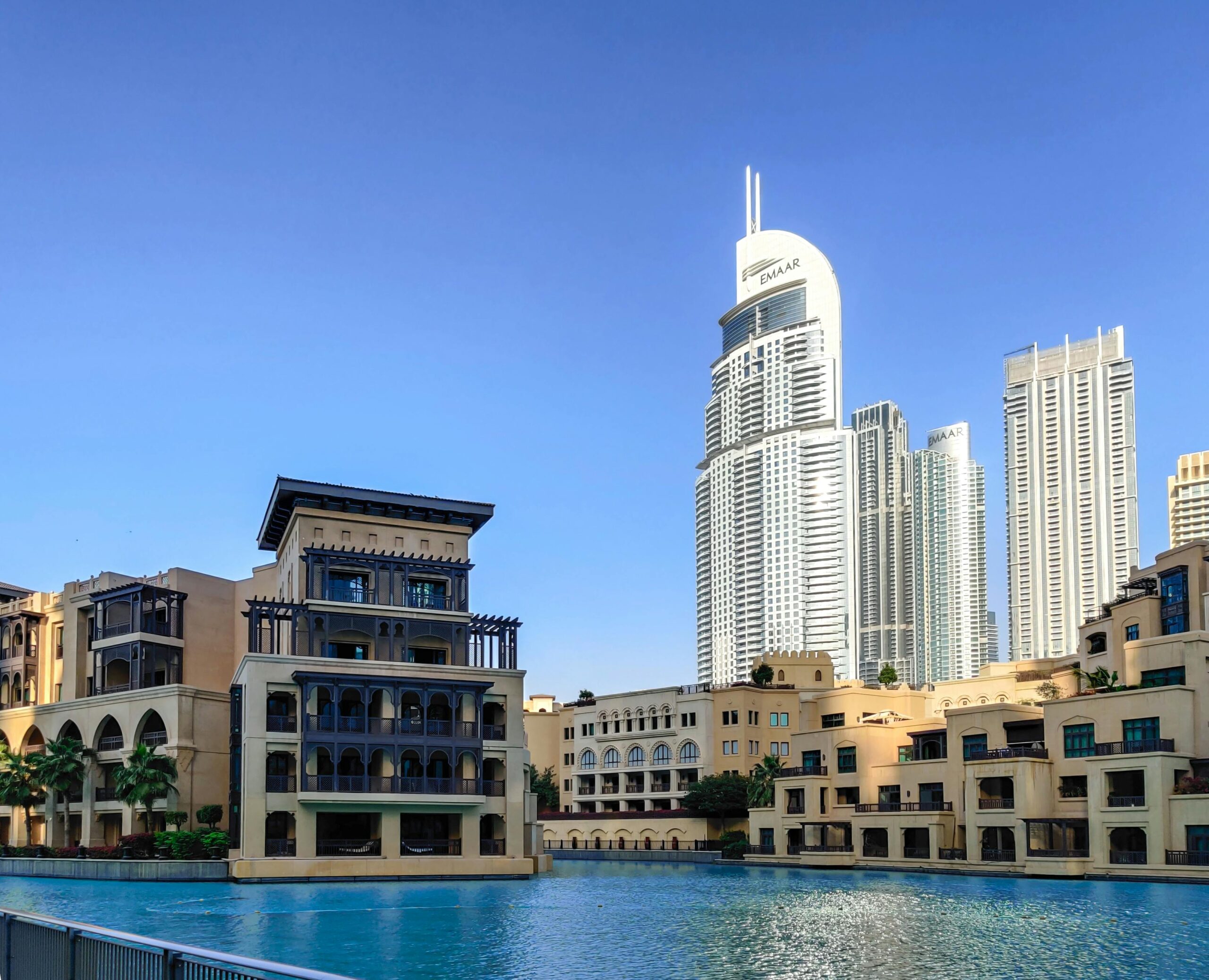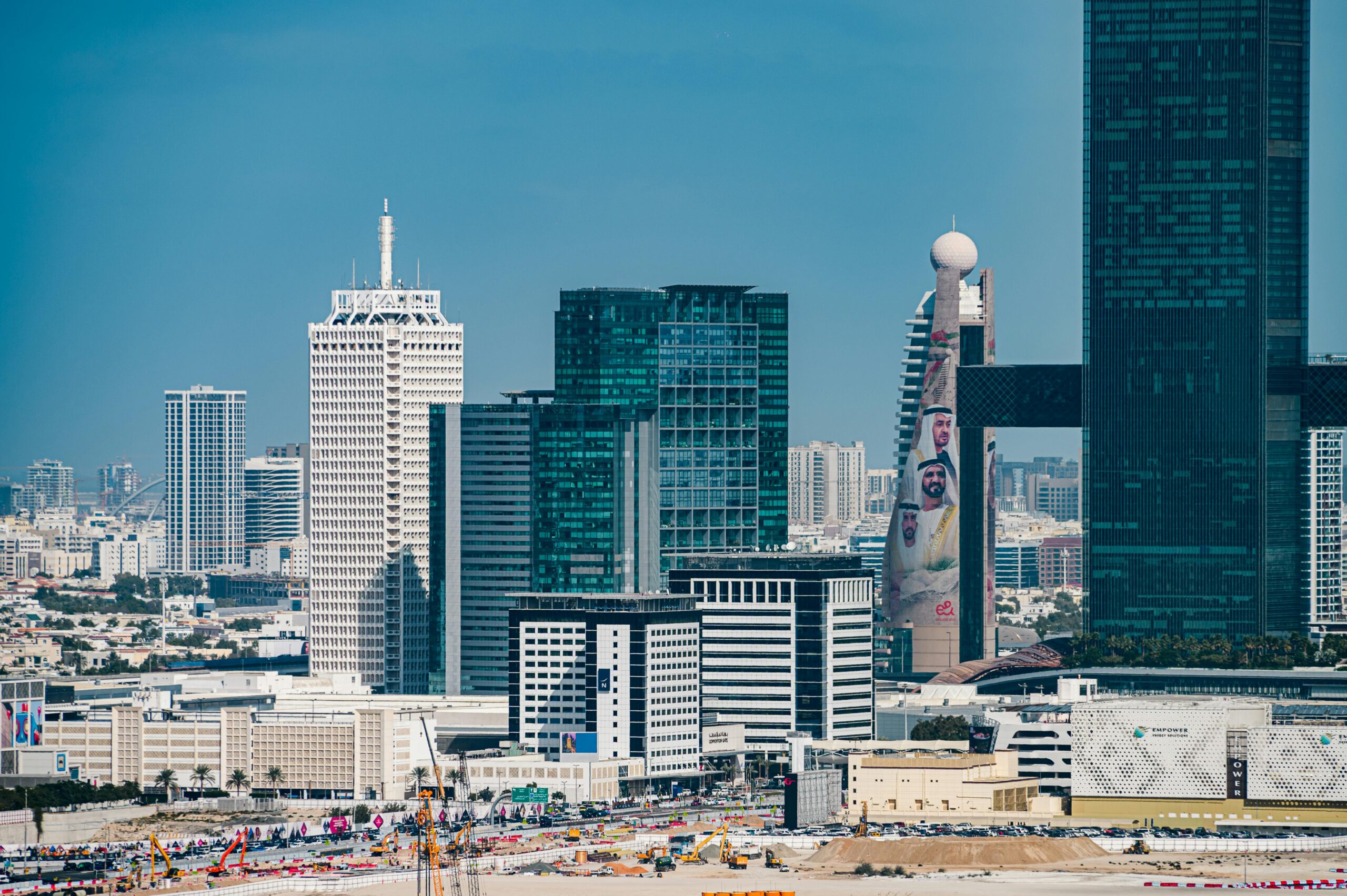
Dubai real estate is one of the most attractive markets in the world. Its strong economy, tax-free benefits, and international appeal make it a hotspot for investors. However, many newcomers make mistakes that can cost them money, time, and peace of mind.
Understanding these mistakes before you invest can save you from unnecessary stress and help you make smarter decisions. Let’s go through the most common pitfalls and how to avoid them.
1. Not Defining Investment Goals Clearly
One of the biggest mistakes is buying property without clear goals. Are you looking for rental income, long-term capital appreciation, or a personal residence?
Without defining your purpose, it’s easy to pick the wrong type of property. For example, buying a high-end villa for rental income may not give immediate returns, while a studio apartment in a high-demand area can provide steady cash flow.
Tip: Write down your goals and match them with property type, location, and budget before starting your search.
2. Ignoring Location Research
Even the most beautiful property can underperform if it’s in the wrong location. Some investors focus solely on price or aesthetics, ignoring the neighborhood.
Prime locations like Downtown Dubai, Dubai Marina, and Business Bay usually deliver higher rental demand and better appreciation. Areas far from amenities or public transport may stay vacant longer, reducing returns.
Tip: Visit the area, check accessibility, nearby schools, shops, and lifestyle options. Research upcoming developments that can affect future property value.
3. Overlooking Service Charges
Service charges are an annual cost for maintenance, security, and shared amenities in Dubai properties. Many investors forget to calculate them, which can significantly reduce net rental income.
For example, a high-end apartment might give great rental returns, but if the service charges are very high, your profit margin may shrink.
Tip: Always check the annual service charges before buying and include them in your ROI calculations.
4. Not Checking Developer Reputation
Buying from an unknown developer is a major risk, especially for off-plan projects. Delays, construction issues, or even project cancellations are possible if the developer has a poor track record.
Reputable developers like Emaar, DAMAC, Nakheel, and Sobha have established histories, making their projects safer for investment.
Tip: Research past projects, check delivery timelines, read reviews, and confirm the developer’s credentials before investing.
5. Focusing Only on Price, Not Value
Some buyers chase the cheapest property thinking it’s the best deal. However, a low-priced property in a low-demand area can perform poorly.
Value includes location, quality of construction, amenities, rental demand, and future growth potential. A slightly higher price in a prime location often results in better long-term gains.
Tip: Evaluate total value not just the sticker price. Consider rental income, capital appreciation, and ease of resale.
6. Underestimating Additional Costs
Buying property in Dubai isn’t just the purchase price. Registration fees, agent commissions, maintenance, and utility setup all add up. Many investors forget to include these in their budgets.
For example, Dubai Land Department fees are usually 4% of the property price. Ignoring these costs can affect your investment planning.
Tip: Budget for all extra costs upfront and include them in your cash flow calculations.
7. Poor Understanding of Rental Demand
Some investors buy properties without analyzing rental demand. Not every apartment or villa rents easily.
Areas popular with professionals, students, or tourists tend to have higher occupancy rates. Properties in remote or less-developed areas may stay empty for months.
Tip: Check online rental listings, vacancy rates, and tenant preferences before making a purchase.
8. Overpricing the Rental
Even in high-demand areas, setting rent too high can lead to long vacancy periods. Many investors assume tenants will pay any price if the property is nice.
Competitive pricing ensures faster occupancy and a consistent cash flow. Slightly lower rent can be better than long periods without income.
Tip: Monitor similar properties in the area and price your rental according to market trends.
9. Not Using Professional Advice
Trying to navigate Dubai’s real estate market alone is risky. Many beginners make mistakes in paperwork, negotiations, and market assessment.
Working with a qualified real estate agent or consultant helps avoid these mistakes. Professionals provide market insights, legal guidance, and negotiation support.
Tip: Partner with trusted agents familiar with Dubai property laws and market dynamics.
10. Ignoring Exit Strategy
Investors often focus on buying but not on resale. Every property should be considered with a potential exit plan.
Knowing your exit strategy helps you choose a property that’s easier to sell in the future. For example, properties in high-demand areas are quicker to sell even during market slowdowns.
Tip: Always think 5–10 years ahead. Can you resell if needed? Is the area likely to appreciate?
11. Emotional Buying Decisions
Falling in love with a property can cloud judgment. A beautiful interior or sea view might make you overlook poor location or high service charges.
Investment decisions should be logical. Always base your choice on market research, ROI potential, and tenant demand, not just aesthetics.
Tip: Separate emotion from investment. Walk away if numbers don’t add up.
12. Not Understanding Dubai Property Laws
While Dubai has clear and protective property laws, many investors don’t fully understand them. Issues around ownership, off-plan contracts, or rental agreements can cause legal trouble.
Understanding your rights as a buyer and tenant ensures your investment is secure. Government-regulated contracts reduce disputes, but knowledge is key.
Tip: Learn the basics of freehold ownership, registration procedures, and Dubai Land Department rules before investing.
13. Lack of Long-Term Vision
Some investors expect instant profits or short-term gains. Dubai real estate, like any global market, rewards patience.
Properties held for several years, especially in high-demand areas, usually deliver better returns through appreciation and consistent rental income.
Tip: Think long-term. Avoid impulsive decisions based on temporary market fluctuations.
Final Thoughts
Dubai offers incredible real estate opportunities, but mistakes can be costly. From unclear investment goals to ignoring developer reputation, every misstep affects returns.
The solution is research, planning, and professional guidance. Define your goals, choose the right location, calculate all costs, and understand the market and laws. By avoiding common mistakes, you can confidently build a profitable property portfolio in Dubai.
Investing smartly today ensures higher rental income, capital growth, and peace of mind for years to come.